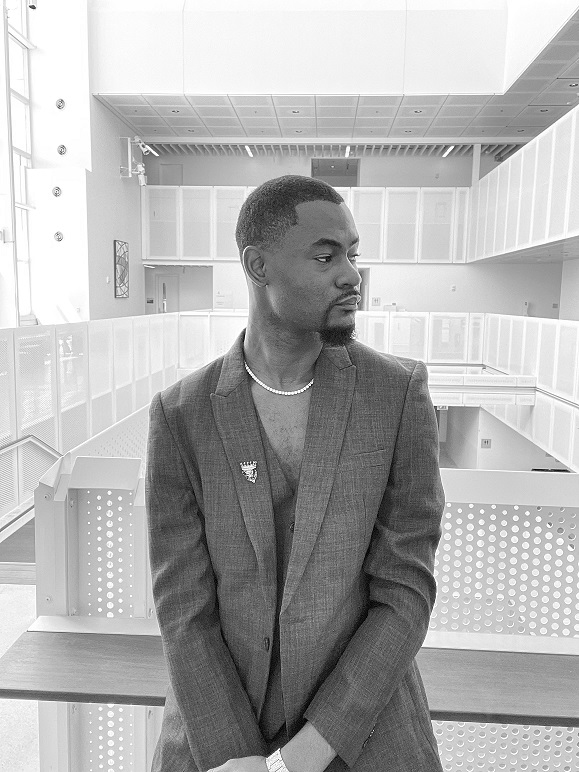

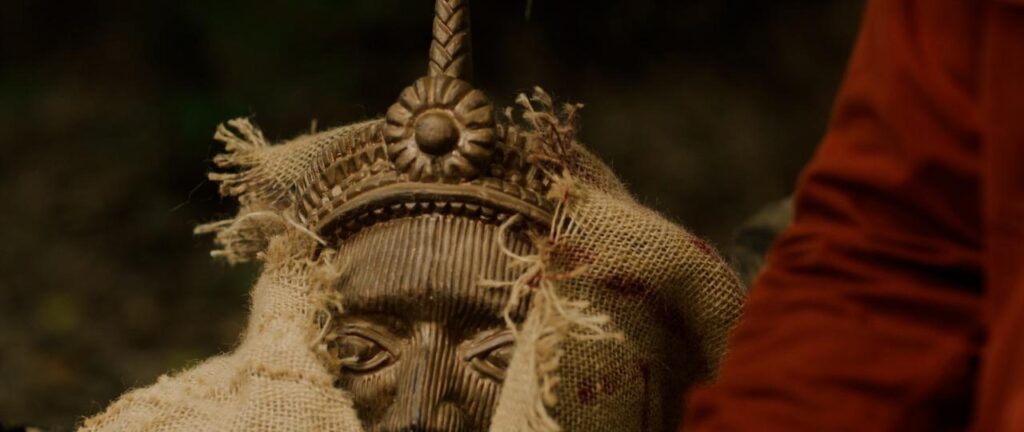
In the year of our fifth anniversary, we published our most important story yet, on a Nobel laureate. Accompanying it are more longform Profiles, a feature, an essay, and crucial interviews that explore the set-up of indie filmmaking in Nollywood. Like in previous years, our top stories of 2025 are not simply our most-read pieces; they are pieces that reflect the range of subjects we covered, and that we therefore recommend as emblematic of our mission to reset expectations of African media stories — the suggestion that “we are not there yet” — and set new standards of quality, depth, and originality.
Longform Profiles & Artists’ Stories
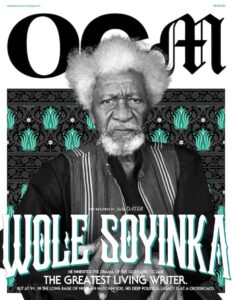
How Wole Soyinka Inherited the Drama of the Gods — and Shadowed the Nigerian Tragedy, by Otosirieze
Since the 1950s, the Nobel laureate has worked in rebellion, carving out a complex, fecund torque of an oeuvre. But as his plays of mythic vigor and Yoruba impulse revitalized Anglophone theatre, raising an art form to ritualistic heights, his force of personality kept him in the political arena, a close witness of an African affliction. Few artists have lived like him. Yet at 91, carrying the mantle of “greatest living writer,” he has one more great battle on his hands — with generations who once deified him.

Chude Jideonwo’s Stage of Nigerian Dreams, by Adesomola Adedayo
As a salesman of youth power, Africa’s most influential millennial curator reinvented himself from new media maven to political power player, and, now, a wellness advocate. Each iteration transformed culture. One left him scarred.
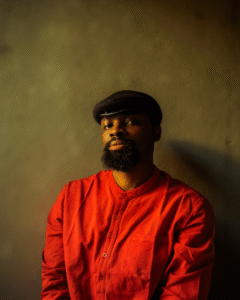
Taiwo Egunjobi’s Cinema of the Trapped, by Victor Orji Ebubechukwu
In grave dramas of styled minimalism, including The Fire and the Moth, A Green Fever, and All Na Vibes, the Ibadan-born director constructs harsh worlds of dangerous dreams, in which characters are caught up in greed and violence.
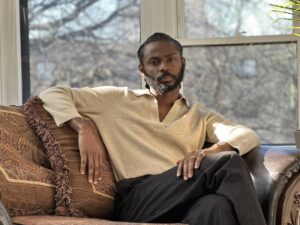
JK Anowe, a Confessional Poet, Confronts Himself, by Iheoma Uzomba
Working from fragments, the reclusive poet led a wave of young Nigerian voices situating the self and mental states. Now his “schizo poetry” is evolving, drawing from Igbo cosmology.
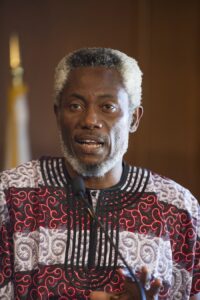
In a Time of Fire, Chuma Nwokolo Protects His Purpose, by Michael Chiedoziem Chukwudera
For decades, Nigerians looked to writers for moral authority. As the country deteriorates further, and more writers become “hooker intellectuals,” the short story writer, attorney, and digital publishing pioneer hopes to maintain his courage.

In Great Grief, Mubanga Kalimamukwento Saw Her Country, by Paula Willie-Okafor
As a child, no one told the writer and attorney how her family died. She has since compressed her resilience into acclaimed novels, nonfiction, poetry, and Ubwali, a magazine shaping Zambian literature.

Ikenna Okeh’s Quest for Authenticity, by Victor Ebubechukwu Orji
To tell their stories, the author of Yahoo! Yahoo! imitates his characters. If he writes about scammers, he wants readers to suspect him of scamming. Why should Nigerian literature not be as relatable as its music? And why, as director of the Puebla International Literature Festival, should he not want writers to take an ethical stand?
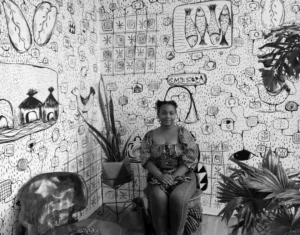
An Igbo Painter Awakens the Native Imagination, by Michael Chiedoziem Chukwudera
The philosophical art world of Chiagoziem Nneamaka Orji, whose symbolism is fueled by her understanding of ecology, and inspired by Eziafo Okaro, Ben Enwonwu, and Chinua Achebe.
Features
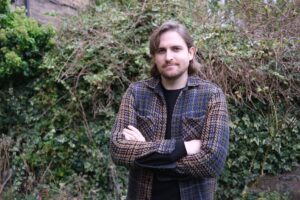
“Little Did We Know”: How uHlanga Press Disrupted South African Poetry, by Iheoma Uzomba
Nick Mulgrew started a publishing outfit to bring “dismissed or ignored” voices to print. Ten years later, it has landed notable prizes, invested in indigenous languages, and grown a dedicated readership.
New Writing
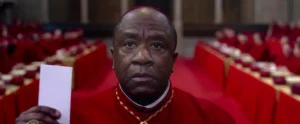
The Ahistorical Racial Polemic of Conclave, by Otosirieze
Politicking and ideological clashes take centre stage in Edward Berger’s papal succession drama Conclave, a frontrunner for Best Adapted Screenplay at the Academy Awards. But it is in the arc of its African cardinal that the film sets a damaging narrative.
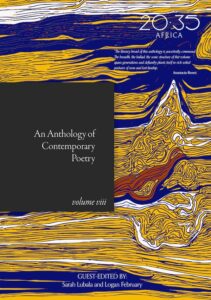
Introduction to 20.35 Africa Vol. VIII: “The Desired and the Divine,” by Precious Okpechi
Of the eighth volume guest-edited by Sarah Lubala and Logan February, managing editor Precious Okpechi writes: “The way we express joy, the way our longings fold out of our skin, is skewed by the weight of customs.”
Interviews

Translating Under Empire, by Otosirieze
As Series Editors of Global Black Writers in Translation, Vanessa K. Valdés, Anette Joseph-Gabriel, and Nathan H. Dize know that “Black literature is the least translated.” In a mostly white field, the long histories of Afro-diasporic, Caribbean, Spanish, French, and Portuguese erasures inform their work.
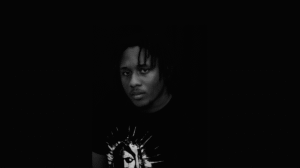
His Style Is Symbolist: “Afro Contemporary Symbolism,” by Victor Ebubechukwu Orji
Grief led Uwana Anthony to make his short film Everything Must End. His style is “a movement and a cause for change in our approach to pursuing knowledge.”
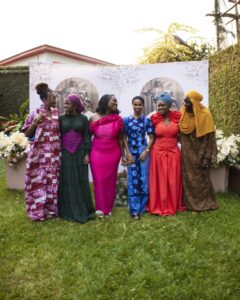
“Shatter That Silence”: A Nonfiction Prize Honours Stories of Women’s Lives, by Ada Nnadi
The Abebi Award in Afro-Nonfiction is “not just about beautiful sentences and essays” but also “a world where girls and women are equipped and empowered.” Founder Mofiyinfoluwa O. and 2024 Award winner and runner-up Mariam Tijani and Ifeoluwa Ajike Williams reflect on courage, contemplative exploration, and catharsis.

In His Short Films, the Drama Is in the Mundane, by Victor Ebubechukwu Orji
Guided by his “Igbo awakening,” Dika Ofoma sets his brief features — God’s Wife, A Quiet Monday, and A Japa Tale, among them — in southeastern Nigeria, with characters, often women, whose day-to-day lives, he argues, are “interesting enough.”
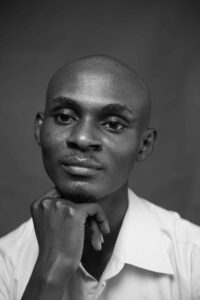
In the Lives of Three Couples, a Vision for Queer Love, by Victor Ebubechukwu Orji
The documentary This Is Love shows Nigerians who “live beautiful love stories in a place where the love they share is taboo.” After a Best LGBT Feature win at Brazil’s Bahia Independent Cinema Festival, director and co-producer Victor Ugoo knows that “distribution seems to be the hardest part of filmmaking.”
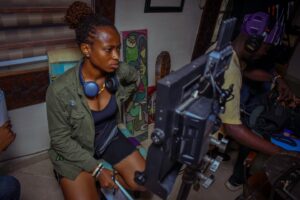
She Makes Humane and Horror Shorts, by Victor Ebubechukwu Orji
As founder of the Africa International Horror Film Festival (AIHFF), the first such platform in West Africa and second in the continent, Nneoha Ann Aligwe believes that the genre “allows us to confront” the “darkness within us.” And courage matters to her, hence her documentary Born Different.

She Got Her Start by Asking. Now She Runs Her Own Shows., by Victor Ebubechukwu Orji
Not wanting to be boxed in, Fatima Binta Gimsay moves from television to short films. Her work includes Fine Girls, Omozi, and Ijo. “The challenge on the indie side of things will always be money,” she said. ♦
If you enjoy Open Country Mag‘s work, please consider making a PayPal donation to enable us to continue redefining perceptions of what an unfunded African media platform can do.
Follow us everywhere at @OpenCountryMag: Twitter, Instagram, Facebook, and LinkedIn.
No One Covers African Literature, Nollywood, & Industries Like Open Country Mag
— The Rovingheights x Open Country Mag Bestseller List