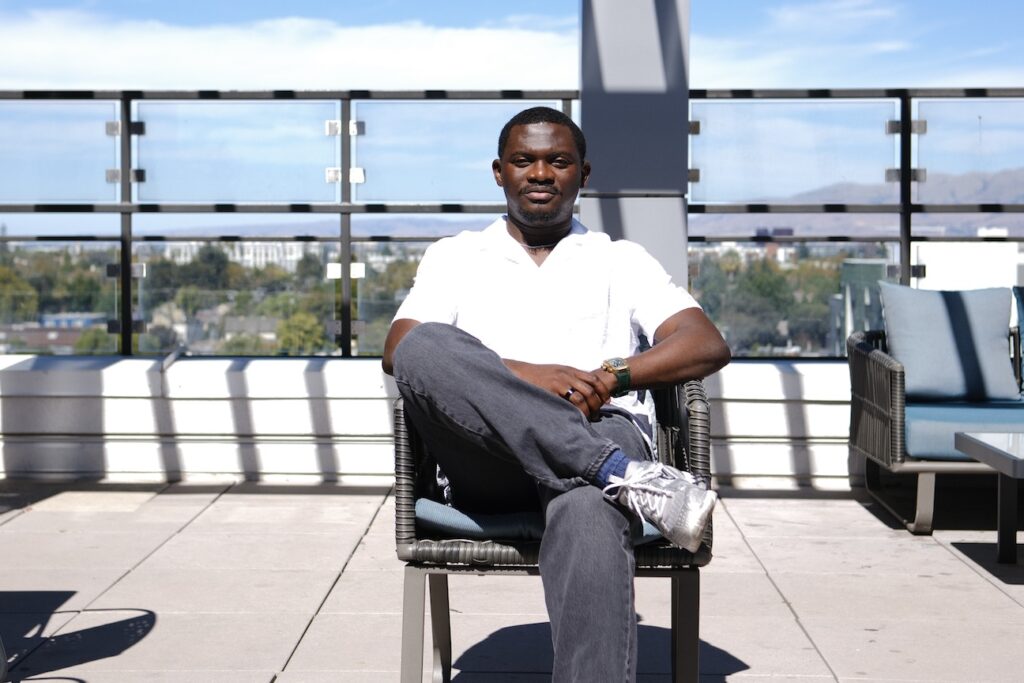
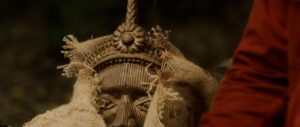
The Nigerian poet did not necessarily plan for his first full-length collection, The Years of Blood, to confront his boyhood in a stark way. But the layers of memory and spirituality it unpeels go back to the Yoruba verses of his direct ancestors.
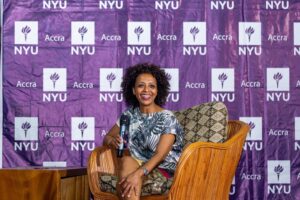
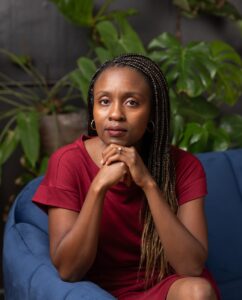
The Open Country Mag cover star is now the third African writer and second Ethiopian to receive the grant, after Chimamanda Ngozi Adichie and Dinaw Mengestu. She gets $800,000.
The advocating writers, including Tsitsi Dangarembga, J.M. Coetzee, Olga Tokarczuk, Ben Okri, Yann Martel, Rohinton Mistry, Anthony Doerr, Colm Tóibín, and Kamila Shamsie, signed an open letter to President Isaias Afwerki of Eritrea.
Founded by Chukwuka Odigbo and Dawn Chinagorom-Abiakalam, and judged by Adachioma Ezeano and Esther Ifesinachi Okonkwo, the ₦2.95 million ($2,165) Sabi Prize for Critical Reading and Writing “hopes to inspire young Nigerians everywhere.” Open Country Mag has published the winning essays.
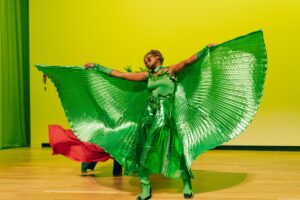
A month after her production Pretty Dangerous: Four Acts on Womanhood wrapped in Canada, the Nigerian artist took home African poetry’s top honour. Her practice is “a way of holding those in-betweens,” she said.
The Gbagyi are an ethnic minority in Nigeria’s vastly diverse Northern Central region, with scant representation in mainstream arts and literature. With Before the Mango Ripens, a historical novel set during a 1970s Christian tussle, an emigrant daughter shares an untold chapter.
The Nigerian social critic riled up online controversies through blunt, unsparing commentary on African literature, politics, and establishment culture. His style has been criticized as abrasive, dismissive, and even unfair. But, in his persistent alarm, he foresaw a moral decay.
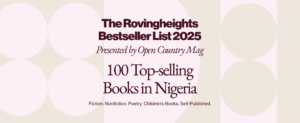
Releasing the fourth annual compilation of the only bestseller list in Nigerian literature: comprising the Top 100 books of the year, alongside the Top 50 in fiction, nonfiction, poetry, self-published, and children’s books.
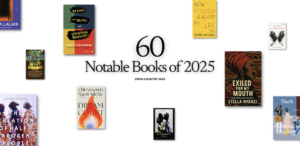
From Chimamanda Ngozi Adichie, Abdulrazak Gurnah, and Stella Nyanzi to Alain Mabanckou, Siphiwe Ndlovu, and Laila Lalami: the notable African books of 2025, guest curated by the literary culture critic Tolu Daniel.
Longform Profiles on Wole Soyinka and curator Chude Jideonwo, a feature on South African poetry, an essay on an Oscar-winning film, interviews with indie filmmakers, and more: the defining stories of our fifth year.
The Open Country Mag cover star is now the third African writer and second Ethiopian to receive the grant, after Chimamanda Ngozi Adichie and Dinaw Mengestu. She gets $800,000.
The advocating writers, including Tsitsi Dangarembga, J.M. Coetzee, Olga Tokarczuk, Ben Okri, Yann Martel, Rohinton Mistry, Anthony Doerr, Colm Tóibín, and Kamila Shamsie, signed an open letter to President Isaias Afwerki of Eritrea.
Founded by Chukwuka Odigbo and Dawn Chinagorom-Abiakalam, and judged by Adachioma Ezeano and Esther Ifesinachi Okonkwo, the ₦2.95 million ($2,165) Sabi Prize for Critical Reading and Writing “hopes to inspire young Nigerians everywhere.” Open Country Mag has published the winning essays.
A month after her production Pretty Dangerous: Four Acts on Womanhood wrapped in Canada, the Nigerian artist took home African poetry’s top honour. Her practice is “a way of holding those in-betweens,” she said.
The Gbagyi are an ethnic minority in Nigeria’s vastly diverse Northern Central region, with scant representation in mainstream arts and literature. With Before the Mango Ripens, a historical novel set during a 1970s Christian tussle, an emigrant daughter shares an untold chapter.
The Nigerian social critic riled up online controversies through blunt, unsparing commentary on African literature, politics, and establishment culture. His style has been criticized as abrasive, dismissive, and even unfair. But, in his persistent alarm, he foresaw a moral decay.
Releasing the fourth annual compilation of the only bestseller list in Nigerian literature: comprising the Top 100 books of the year, alongside the Top 50 in fiction, nonfiction, poetry, self-published, and children’s books.
From Chimamanda Ngozi Adichie, Abdulrazak Gurnah, and Stella Nyanzi to Alain Mabanckou, Siphiwe Ndlovu, and Laila Lalami: the notable African books of 2025, guest curated by the literary culture critic Tolu Daniel.
“An ambitious new magazine committed to African literature”
— Chimamanda Ngozi Adichie
Join 25,000+ subscribers to essential, in-depth stories in African literature, Nigerian film, & culture: inspiring Profiles, incisive reviews, thought-provoking features & conversations that happen nowhere else. It's premium access to the visions of changemakers, from icons to emerging voices. Plus key industry stories from Folio Nigeria by CNN.
We respect your privacy and will never send you Spam or sell your email.