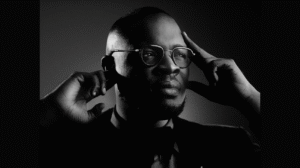
The Nigerian poet did not necessarily plan for his first full-length collection, The Years of Blood, to confront his boyhood in a stark way. But the layers of memory and spirituality it unpeels go back to the Yoruba verses of his direct ancestors.
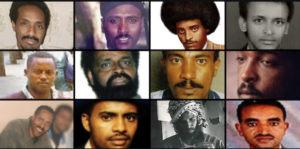
The advocating writers, including Tsitsi Dangarembga, J.M. Coetzee, Olga Tokarczuk, Ben Okri, Yann Martel, Rohinton Mistry, Anthony Doerr, Colm Tóibín, and Kamila Shamsie, signed an open letter to President Isaias Afwerki of Eritrea.
The Gbagyi are an ethnic minority in Nigeria’s vastly diverse Northern Central region, with scant representation in mainstream arts and literature. With Before the Mango Ripens, a historical novel set during a 1970s Christian tussle, an emigrant daughter shares an untold chapter.
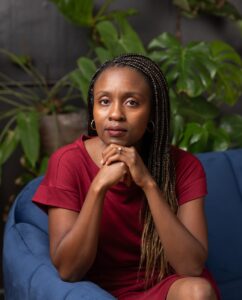
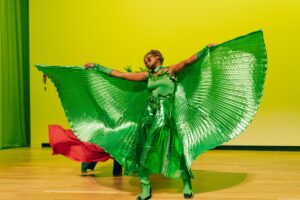
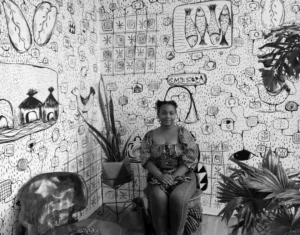
A month after her production Pretty Dangerous: Four Acts on Womanhood wrapped in Canada, the Nigerian artist took home African poetry’s top honour. Her practice is “a way of holding those in-betweens,” she said.
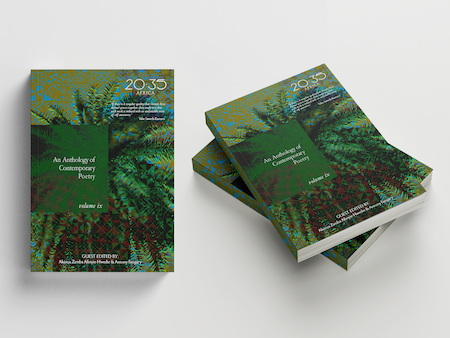
The poems in 20.35 Africa Volume IX, guest-edited by Akosua Zimba Afiriyie-Hwedie and Antony Fangary, “remind us that the suffering in the world is inflicted by us, on us,” but also “that the thick layered air of exhaustion has not rid us of our . . . dreams.”
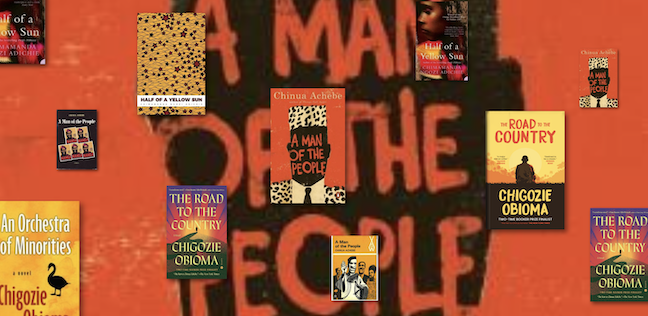
Reading Chigozie Obioma, Biafra, and Igbo cosmology, a philosopher reflects on “the shrunken role of Nigerian writers today” and their “inability to perceive the shifting of the tectonic plates.” Arguing that the Achebean tradition has created novelists who “wish to be free of the responsibility of the oracle but ache to inherit that reverence,” it is a decrial of the metaphysical gap in our realist fiction, and a rallying cry for mythos and “oracular insight.”
Up to 220 Nigerian senior secondary school students entered for the inaugural Sabi Prize, worth ₦2.95 million ($2,165). Their task? To analyze a chapter from Buchi Emecheta’s The Joys of Motherhood. Read the top three essays, judged by Adachioma Ezeano, winner of the O. Henry Prize, and Esther Ifesinachi Okonkwo, author of The Tiny Things are Heavier.
In “poems that refuse containment, that arrive in waves, splintering, alive,” 100 Deaf, Disabled, and Neurodivergent writers from around the world give grammar to the “illness” of being out of place with Ableist norms. The African poets are in dialogue with the malaise of memory and bodily unrest, a discourse still thin across the continent.
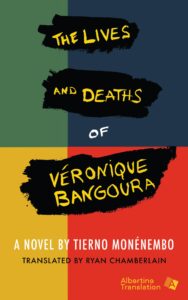
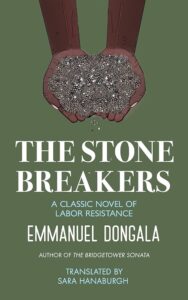
In the fifth novel by Dongala, a major figure in Francophone African literature, Congolese women, working as stone crushers at a gravel pit, demand higher wages.
This sweeping tale of the breakup of Sudan explores the porous and perilous nature of borders ― national, ethnic, or religious ― and the profound consequences of crossing them.
The second novel in a mystery series following investigator Taiwo Philips, who tries to crack a conspiracy around a religious leader accused of murder.
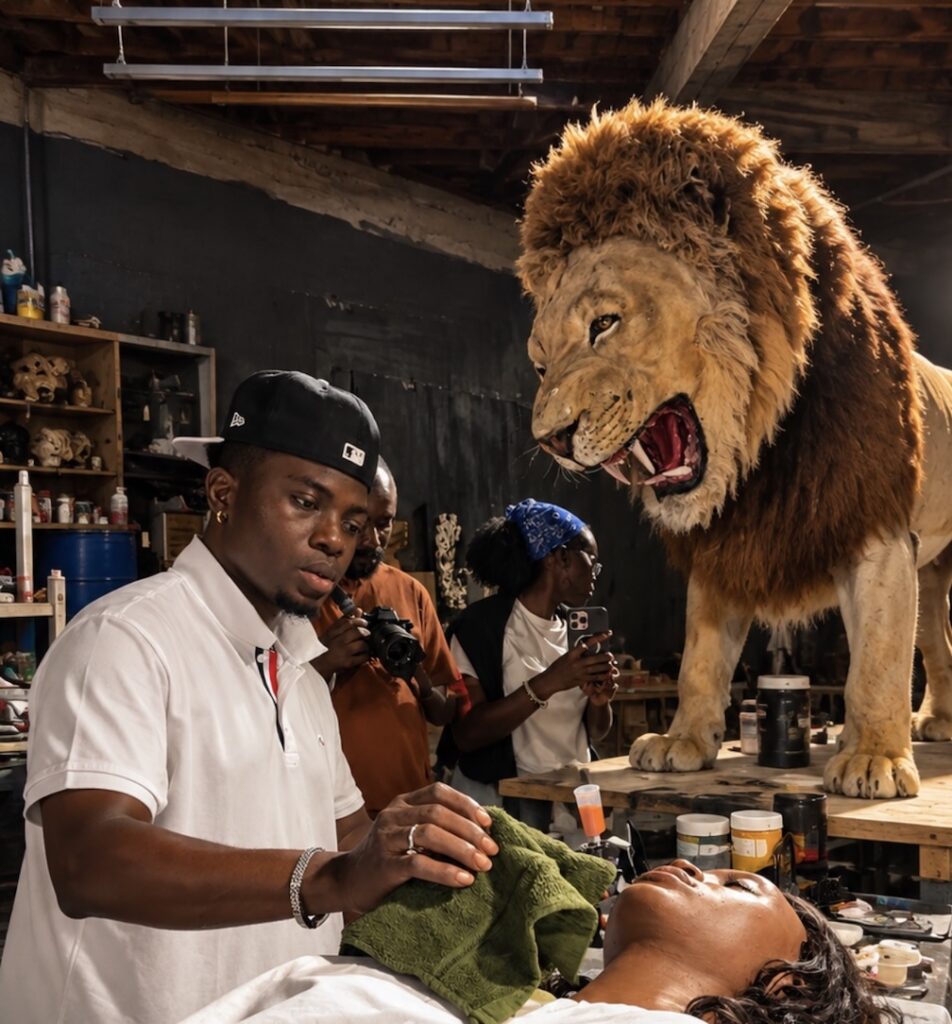
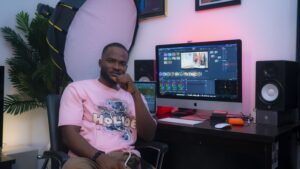
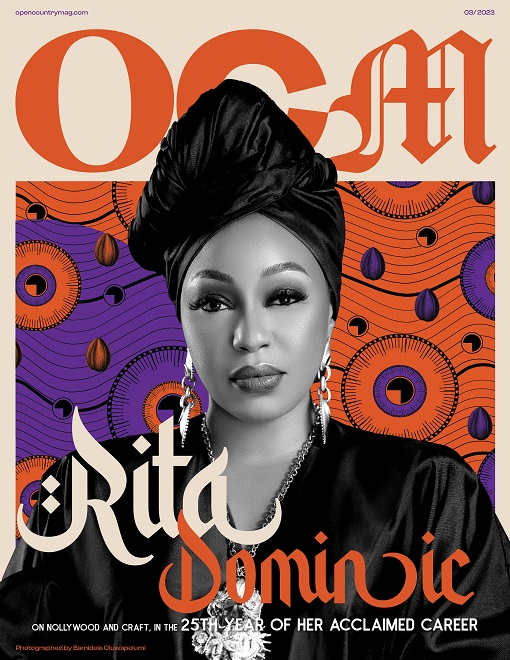
Before his award-winning work in big dramas Oloibiri, Shanty Town, The Milkmaid, and Jagun Jagun, Hakeem “Effects” Onilogbo, the most decorated makeup artist in the industry, wanted to be an actor. Two decades later, he expresses his craft with the ambition of one.
Behind Funke Akindele’s 7.2-billion-naira box office dominance is Valentine Chukwuma, her top editor at Scene One Productions. In an industry that overlooks underdog talents, the 31-year-old, who once made skits to escape poverty, has cut five of its six most profitable films of all-time.
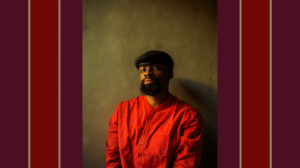
In grave dramas of styled minimalism, the Ibadan-born director constructs harsh worlds of dangerous dreams, in which characters are caught up in greed and violence.
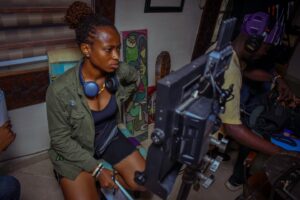
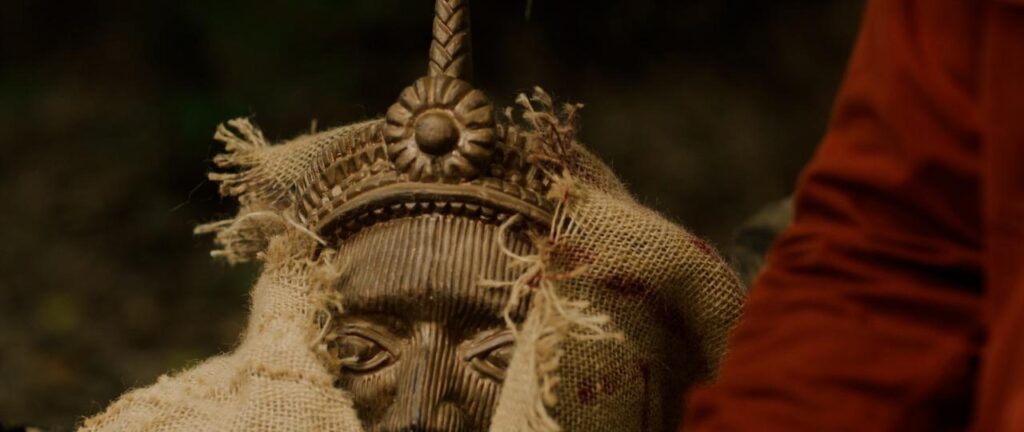
As founder of the Africa International Horror Film Festival (AIHFF), the first such platform in West Africa and second in the continent, Nneoha Ann Aligwe believes that the genre “allows us to confront” the “darkness within us.” And courage matters to her, hence her documentary Born Different.
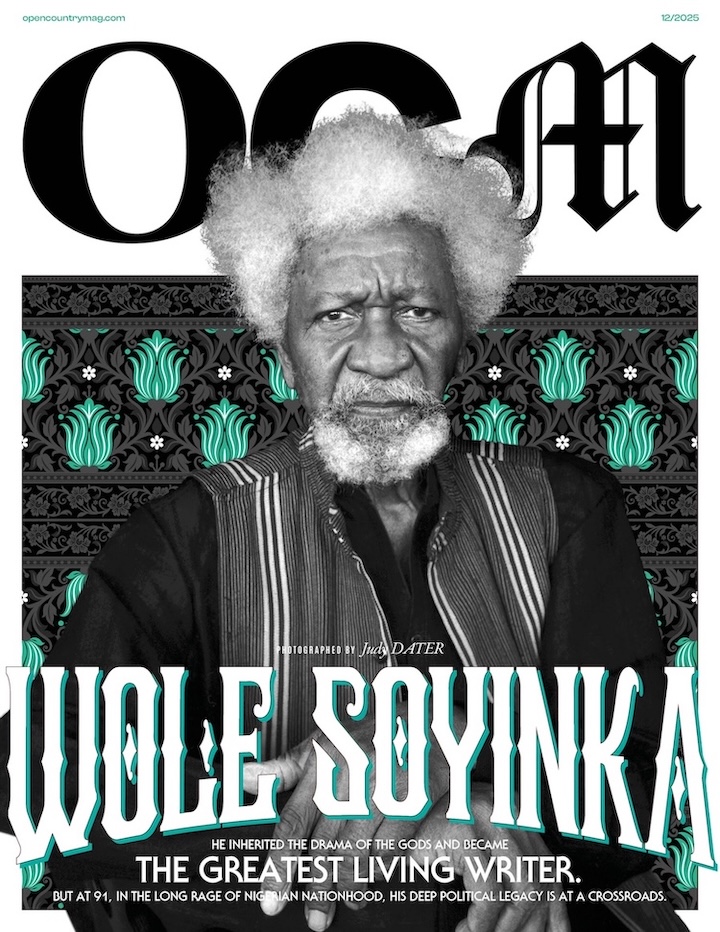
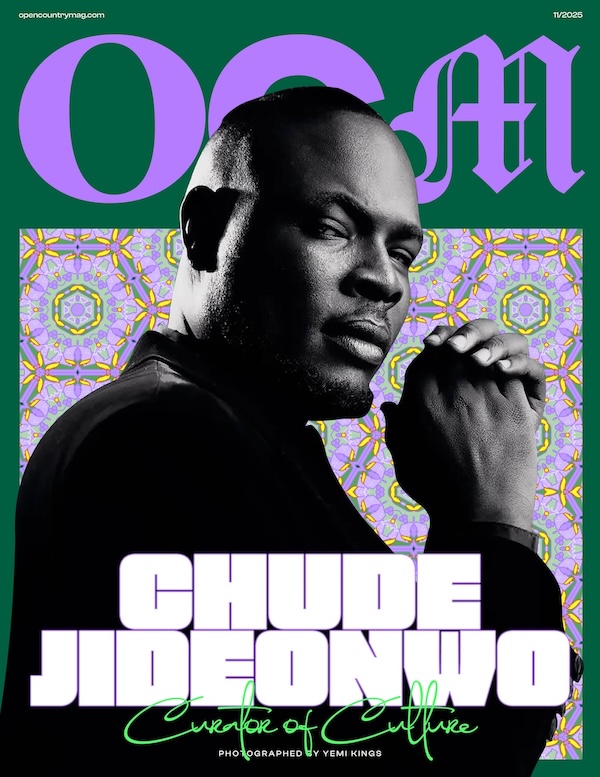
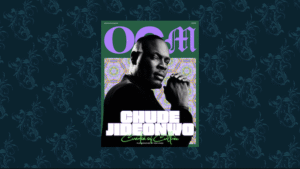
Longform Profiles on Wole Soyinka and curator Chude Jideonwo, a feature on South African poetry, an essay on an Oscar-winning film, interviews with indie filmmakers, and more: the defining stories of our fifth year.
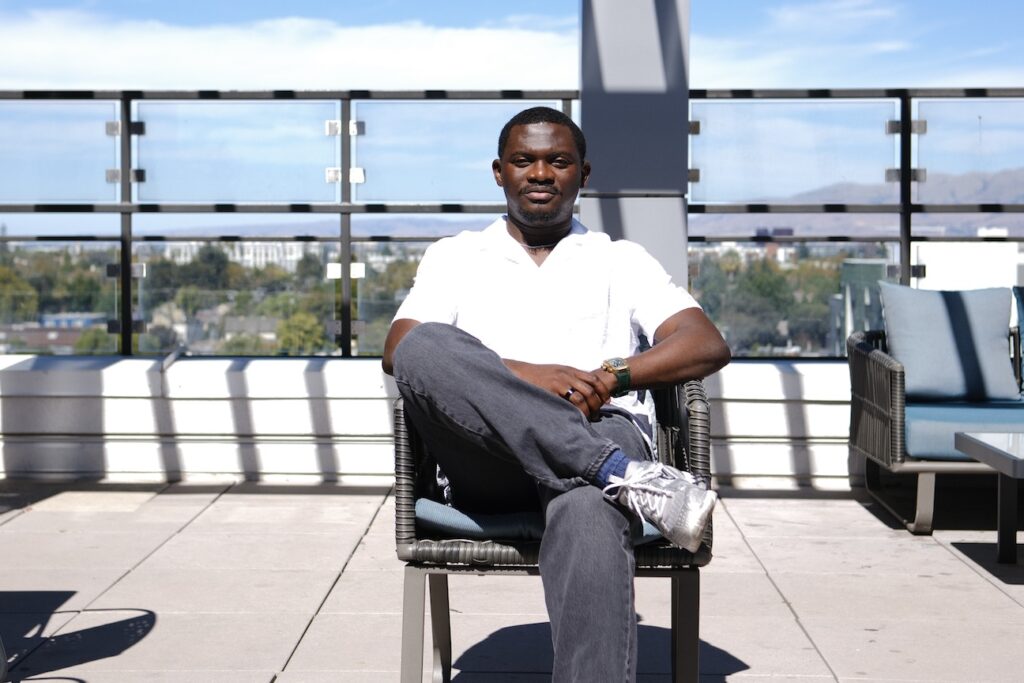
As a salesman of youth power, Africa’s most influential millennial curator reinvented himself from new media maven to political power player, and, now, a wellness advocate. Each iteration transformed culture. One left him scarred.
“An ambitious new magazine committed to African literature”
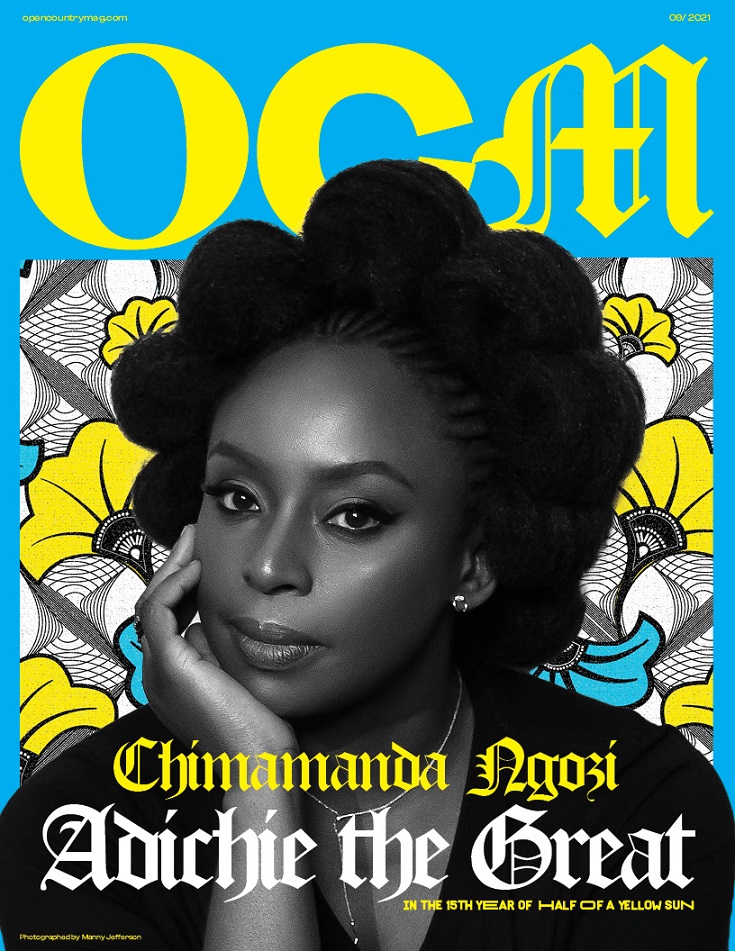
— Chimamanda Ngozi Adichie
Join 25,000+ subscribers to essential, in-depth stories in African literature, Nigerian film, & culture: inspiring Profiles, incisive reviews, thought-provoking features & conversations that happen nowhere else. It's premium access to the visions of changemakers, from icons to emerging voices. Plus key industry stories from Folio Nigeria by CNN.
We respect your privacy and will never send you Spam or sell your email.