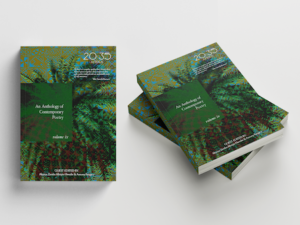
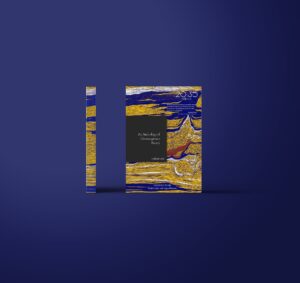
The poems in 20.35 Africa Volume IX, guest-edited by Akosua Zimba Afiriyie-Hwedie and Antony Fangary, “remind us that the suffering in the world is inflicted by us, on us,” but also “that the thick layered air of exhaustion has not rid us of our . . . dreams.”
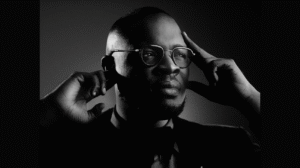
Before his award-winning work in big dramas Oloibiri, Shanty Town, The Milkmaid, and Jagun Jagun, Hakeem “Effects” Onilogbo, the most decorated makeup artist in the industry, wanted to be an actor. Two decades later, he expresses his craft with the ambition of one.
The Open Country Mag cover star is now the third African writer and second Ethiopian to receive the grant, after Chimamanda Ngozi Adichie and Dinaw Mengestu. She gets $800,000.
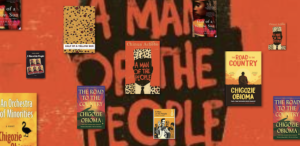
Reading Chigozie Obioma, Biafra, and Igbo cosmology, a philosopher reflects on “the shrunken role of Nigerian writers today” and their “inability to perceive the shifting of the tectonic plates.” Arguing that the Achebean tradition has created novelists who “wish to be free of the responsibility of the oracle but ache to inherit that reverence,” it is a decrial of the metaphysical gap in our realist fiction, and a rallying cry for mythos and “oracular insight.”
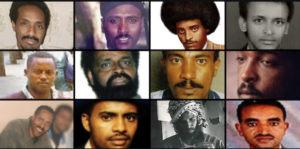
The advocating writers, including Tsitsi Dangarembga, J.M. Coetzee, Olga Tokarczuk, Ben Okri, Yann Martel, Rohinton Mistry, Anthony Doerr, Colm Tóibín, and Kamila Shamsie, signed an open letter to President Isaias Afwerki of Eritrea.
The Nigerian social critic riled up online controversies through blunt, unsparing commentary on African literature, politics, and establishment culture. His style has been criticized as abrasive, dismissive, and even unfair. But, in his persistent alarm, he foresaw a moral decay.
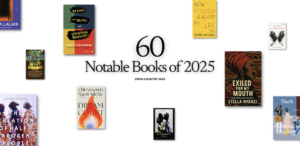
For our fifth annual 60 Notable Books of the Year list, we invited the literary culture critic Tolu Daniel as guest curator, to make 45 picks. He surveys “a prose landscape in search of quieter, more patient forms,” poetry “less a lyric refuge than a site of confrontation,” and “a shift towards visibility culture” where “books now circulate as events, images, and metrics long before they are encountered as texts.”
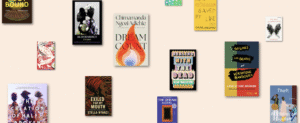
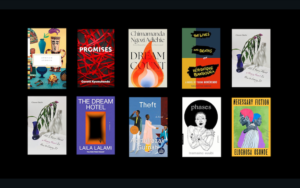
From Chimamanda Ngozi Adichie, Abdulrazak Gurnah, and Stella Nyanzi to Alain Mabanckou, Siphiwe Ndlovu, and Laila Lalami: the notable African books of 2025, guest curated by the literary culture critic Tolu Daniel.
As a salesman of youth power, Africa’s most influential millennial curator reinvented himself from new media maven to political power player, and, now, a wellness advocate. Each iteration transformed culture. One left him scarred.
Of the eighth volume guest-edited by Sarah Lubala and Logan February, managing editor Precious Okpechi writes: “The way we express joy, the way our longings fold out of our skin, is skewed by the weight of customs.”
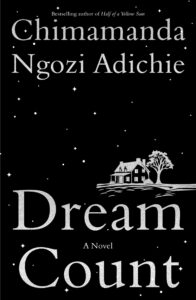
Coming 12 years after her third novel Americanah, Chimamanda Ngozi Adichie’s vital, splintered return to longform fiction shows classes of womanhood. It demonstrates yet again her elegant, unmatched grasp of language. In some ways, it is also different from her previous novels.
From Chimamanda Ngozi Adichie, Laila Lalami, and Goretti Kyomuhendo to Tochi Eze, Chisom Okafor, Itiola Jones, and Adedayo Agarau: the anticipated books of 2025.
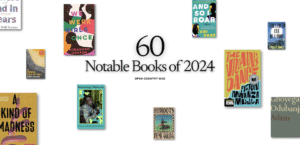
From Chigozie Obioma, Sulaiman Addonia, Reem Gafar, and Dinaw Mengestu to Fiston Mwanza Mujila, Abi Dare, and Nadifa Mohamed: the notable books of 2024 by Africans.
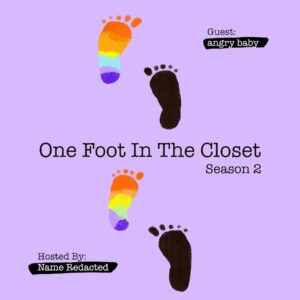
Hosted by the East African activist Name Redacted, with sponsorship by Africa No Filter, “conversations like these provide a counter-narrative to predominant Western narratives of ‘coming out.'”
The poems in 20.35 Africa Volume IX, guest-edited by Akosua Zimba Afiriyie-Hwedie and Antony Fangary, “remind us that the suffering in the world is inflicted by us, on us,” but also “that the thick layered air of exhaustion has not rid us of our . . . dreams.”
Before his award-winning work in big dramas Oloibiri, Shanty Town, The Milkmaid, and Jagun Jagun, Hakeem “Effects” Onilogbo, the most decorated makeup artist in the industry, wanted to be an actor. Two decades later, he expresses his craft with the ambition of one.
The Open Country Mag cover star is now the third African writer and second Ethiopian to receive the grant, after Chimamanda Ngozi Adichie and Dinaw Mengestu. She gets $800,000.
Reading Chigozie Obioma, Biafra, and Igbo cosmology, a philosopher reflects on “the shrunken role of Nigerian writers today” and their “inability to perceive the shifting of the tectonic plates.” Arguing that the Achebean tradition has created novelists who “wish to be free of the responsibility of the oracle but ache to inherit that reverence,” it is a decrial of the metaphysical gap in our realist fiction, and a rallying cry for mythos and “oracular insight.”
The advocating writers, including Tsitsi Dangarembga, J.M. Coetzee, Olga Tokarczuk, Ben Okri, Yann Martel, Rohinton Mistry, Anthony Doerr, Colm Tóibín, and Kamila Shamsie, signed an open letter to President Isaias Afwerki of Eritrea.
The Nigerian social critic riled up online controversies through blunt, unsparing commentary on African literature, politics, and establishment culture. His style has been criticized as abrasive, dismissive, and even unfair. But, in his persistent alarm, he foresaw a moral decay.
For our fifth annual 60 Notable Books of the Year list, we invited the literary culture critic Tolu Daniel as guest curator, to make 45 picks. He surveys “a prose landscape in search of quieter, more patient forms,” poetry “less a lyric refuge than a site of confrontation,” and “a shift towards visibility culture” where “books now circulate as events, images, and metrics long before they are encountered as texts.”
From Chimamanda Ngozi Adichie, Abdulrazak Gurnah, and Stella Nyanzi to Alain Mabanckou, Siphiwe Ndlovu, and Laila Lalami: the notable African books of 2025, guest curated by the literary culture critic Tolu Daniel.
As a salesman of youth power, Africa’s most influential millennial curator reinvented himself from new media maven to political power player, and, now, a wellness advocate. Each iteration transformed culture. One left him scarred.
Of the eighth volume guest-edited by Sarah Lubala and Logan February, managing editor Precious Okpechi writes: “The way we express joy, the way our longings fold out of our skin, is skewed by the weight of customs.”
Coming 12 years after her third novel Americanah, Chimamanda Ngozi Adichie’s vital, splintered return to longform fiction shows classes of womanhood. It demonstrates yet again her elegant, unmatched grasp of language. In some ways, it is also different from her previous novels.
From Chimamanda Ngozi Adichie, Laila Lalami, and Goretti Kyomuhendo to Tochi Eze, Chisom Okafor, Itiola Jones, and Adedayo Agarau: the anticipated books of 2025.
From Chigozie Obioma, Sulaiman Addonia, Reem Gafar, and Dinaw Mengestu to Fiston Mwanza Mujila, Abi Dare, and Nadifa Mohamed: the notable books of 2024 by Africans.
Hosted by the East African activist Name Redacted, with sponsorship by Africa No Filter, “conversations like these provide a counter-narrative to predominant Western narratives of ‘coming out.'”
“An ambitious new magazine committed to African literature”
— Chimamanda Ngozi Adichie
Join 25,000+ subscribers to essential, in-depth stories in African literature, Nigerian film, & culture: inspiring Profiles, incisive reviews, thought-provoking features & conversations that happen nowhere else. It's premium access to the visions of changemakers, from icons to emerging voices. Plus key industry stories from Folio Nigeria by CNN.
We respect your privacy and will never send you Spam or sell your email.