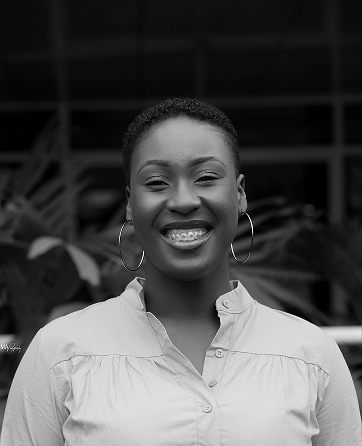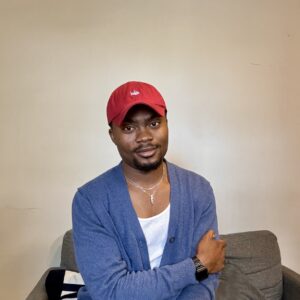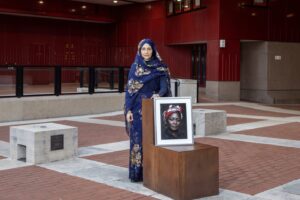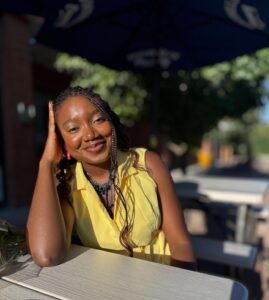


The Sabi Prize for Critical Reading and Writing has announced the winners of its inaugural edition. From approximately 220 submissions from students across 56 schools in 16 states, Juanita Douglas-Jombo, Pearl Okereke, and Sekinat Agbeleshola emerged as the top three.
Founded by Chukwuka Odigbo and Dawn Chinagorom-Abiakalam to encourage critical reading and writing among young Nigerians, the Sabi Prize is open to students in SS1 through SS3 resident in the country; citizenship is not an eligibility requirement, and homeschooled students and students taking a gap year are also eligible to participate upon request.
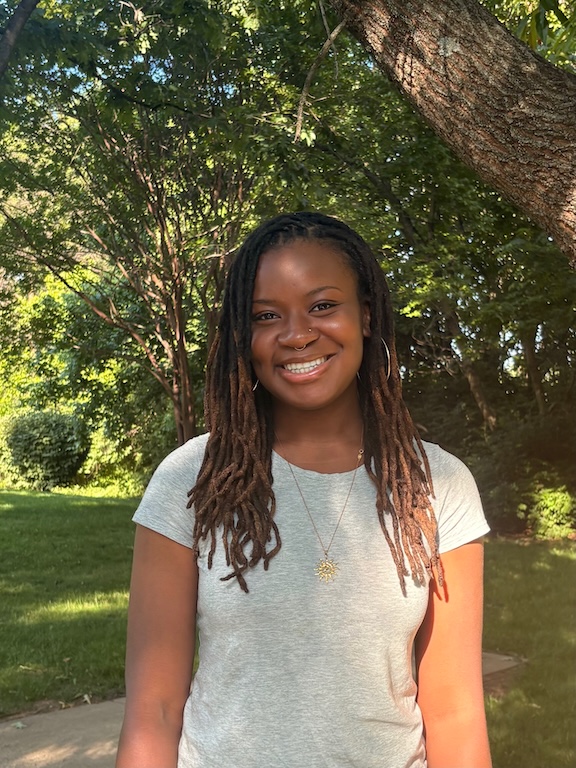
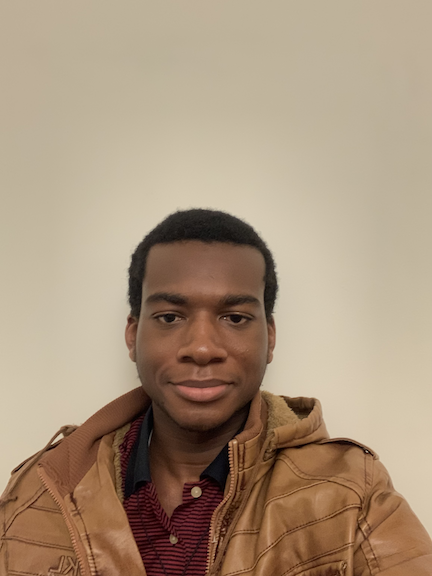
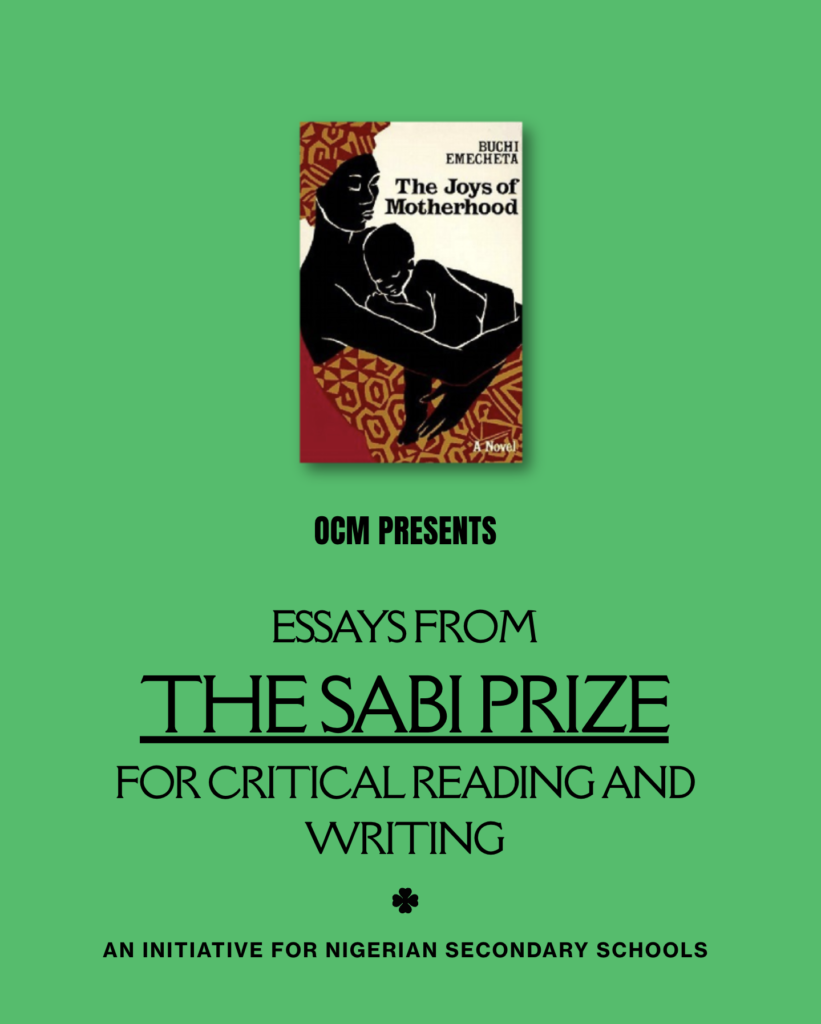
The competition was conducted in two phases. In the first, entrants were asked to write an essay on an issue facing their community and propose how they would address it if they were in a position of leadership. From the initial pool, 65 students from 31 schools across 11 states advanced to the second phase. They were then asked to respond to any two of four prompts drawn from Chapter Four of Buchi Emecheta’s The Joys of Motherhood. The only genre requirement was that submissions take the form of an analytical essay.
Chukwuka told Open Country Mag, “We were excited to receive carefully crafted essays that showed our entrants had thought about the text they were asked to read. There’s a deluge of news reports on a literacy crisis among young children; we should be thoughtful and unrelenting in how we tackle it. Part of me is also thinking about Okonjo-Iweala’s speech where she talks about different ‘aid’ players doing different things and then asks about the opportunity to consolidate for more targeted impact. Yes, the Sabi Prize is important, but how do we solve the problem in a structural way?”
Douglas-Jombo, an SS3 student at Lycée Français Louis Pasteur de Lagos, won first place. Okereke, a student at The Hillside School, Abuja, placed second, while Agbeleshola, a Year 12 student at City of Knowledge Academy, Ijebu-Ode, placed third.
The winners were selected by writers Adachioma Ezeano, a 2021 O. Henry Prize recipient and 2023 Best of the Net winner, and Esther Ifesinachi Okonkwo, author of The Tiny Things Are Heavier, which was longlisted for the 2026 Dylan Thomas Prize and named a Best Book of 2025 by Open Country Mag, Vogue, and Forbes.
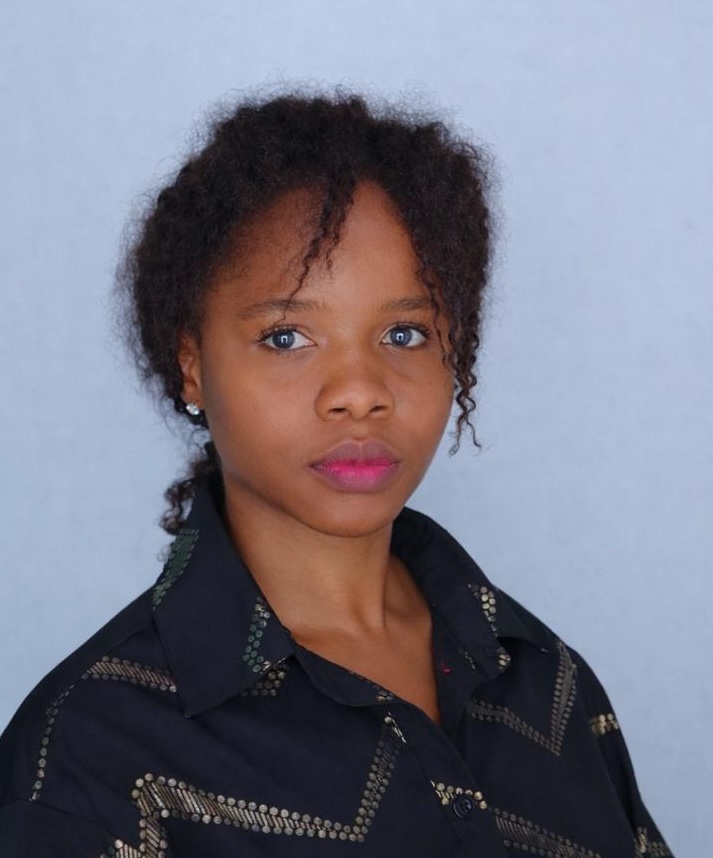
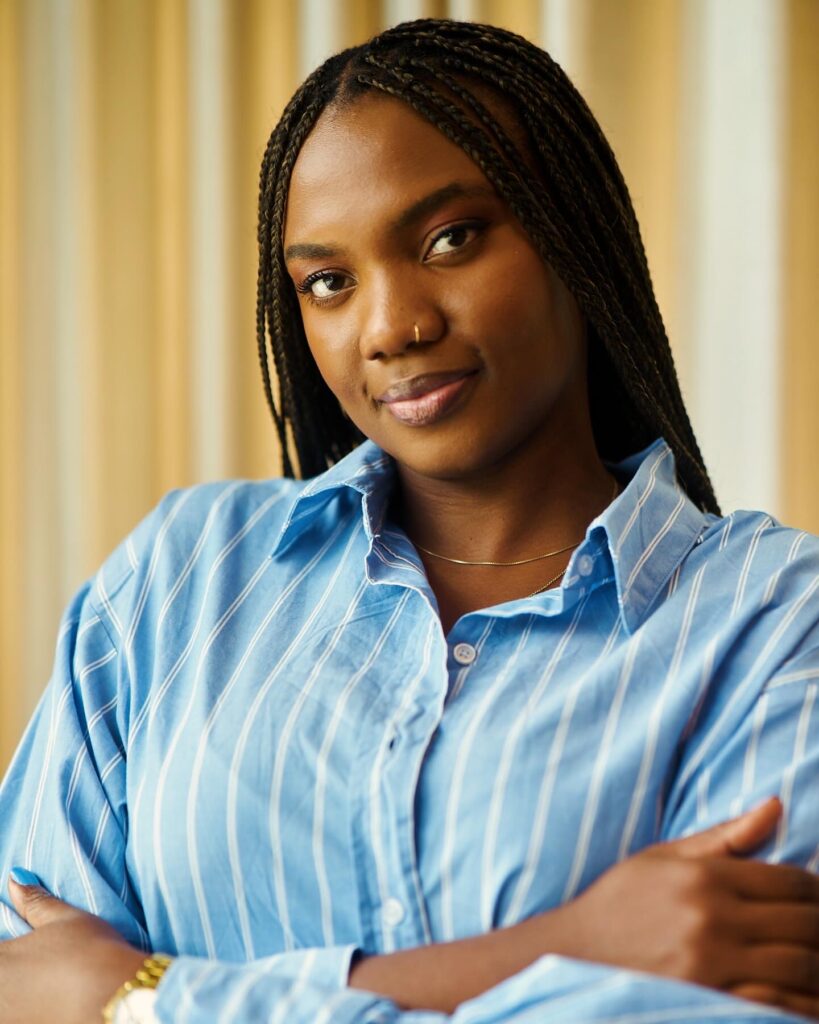
The judges praised Douglas-Jombo’s winning essay for its “incisive” treatment of the “ironies of colonial systems,” concluding that she had “the voice and boldness of a truth teller.” For Agbeleshola’s third-place essay, they commended its “poignant explorations of the changing social structures” of colonial Lagos, calling it “brilliant and sharply observed.” The founders similarly praised Okereke’s deconstruction of Emecheta’s portrayal of colonial life, describing it as “straightforward, haunting, and timely.”
Reflecting on the inaugural edition, Dawn said it had been a rewarding experience working with the students and teachers involved. “We’ve been so honored to enjoy and experience the fantastic nature of their writing. We hope to continue to inspire young Nigerians everywhere to engage with our rich literature and share their ideas with the world.”
As part of a partnership with the Sabi Prize, the three essays are published on Open Country Mag. The founders said in their official announcement, “We are thrilled to be working with Open Country Magazine, the perfect home for a project such as this. The precision and the rigor they bring to covering the most important literature and film are singular, and we are pleased that the inaugural winners of the Sabi Prize will have their words in OCM’s pages.”
The first-place winner will receive ₦1 million, while the second- and third-place winners receive ₦750,000 and ₦500,000 respectively. Each of the remaining finalists in the Top Ten will receive ₦100,000. It is a total of ₦2,950,000 ($2,165).
“A Sabi Prize for secondary schools is exactly what we need in a country like ours, where education and basic culture have been so sabotaged as to leave young people with little hope,” said Open Country Mag founder Otosirieze. “To see young people leading it makes me happy. I applaud Chukwuka and Dawn and hope that this motivates more people to invest in building literary infrastructure.”
“We are grateful to all our partners: our judges Adachioma and Esther, teachers, students, Open Country Mag, the donors who funded the top three prizes, and more people than we can name,” the founders said. “We are also thankful for the engagement we saw in our first year. As we kick off our next edition of the Prize in September, we hope to get entries that reflect the varied backgrounds and experiences of the student population in the country.”
Read: The Top Three Essays from the Sabi Prize for Secondary Schools