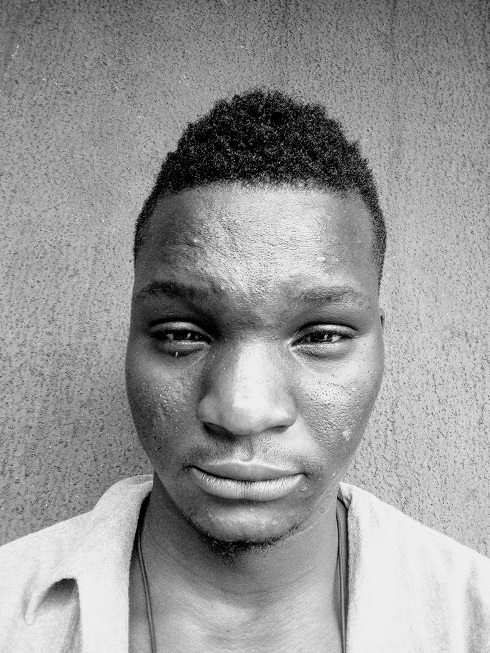


The Kenyan author Binyavanga Wainana enjoyed an influential career which saw him produce enthralling essays and stories, including the 2002 Caine Prize-winning short story “Discovering Home.” His memoir, One Day I Will Write About This Place (2011), is one of the most distinctive books in postcolonial African literature, and was named a Publishers Weekly Top Ten Book of the Year.
On 14 April, Boston Review magazine and The Against Nature Journal will host a conversation with a group of African thinkers and authors to “initiate a critical revival” of Wainana’s fiction, which were unarguably less heralded than his other works. The event follows the rediscovery of his first short story, “Binguni!” (1996), now republished in Boston Review.
From the invitation page:
Kenyan writer Binyavanga Wainana (1971-2019) was among the greatest of his generation. A winner of the Caine Prize for African Writing, in the final decade of his life he had become as well a celebrated speaker, and was even named by TIME to its list of “Most Influential People in the World.” He was also an out gay man and a tireless advocate for the rights of sexual minorities.
The unusual velocity of his most famous essays, especially “How to Write About Africa” (2005) and “I’m a Homosexual, Mum” (2014), means that many readers think of him mainly as an essayist and memoirist. But he was also a gifted writer of fiction.
This conversation takes place on the occasion of the republication of his first short story “Binguni!” (1996), by Boston Review’s Arts in Society project and The Against Nature Journal, and aims to initiate a critical revival of Wainana’s fiction.
Panelists expected to speak at the event are Oris Aigbokhaevbolo, Aruni Kashyap, Neo Sinoxolo Musangi, Yvonne Adhiambo Owuor, and Granta editor and publisher Sigrid Rausing.
Click HERE to register.
Read “Binguni!” HERE.
Cover Stories from Open Country Mag
— How Wole Soyinka Inherited the Drama of the Gods — and Shadowed the Nigerian Tragedy
— The Creed of Cardinal Arinze
— How Leila Aboulela Reclaimed the Heroines of Sudan
— How Rita Dominic Became Nollywood’s Most Acclaimed Actor
— Chinelo Okparanta, Gentle Defier
— The Next Generation of African Literature
— The Methods of Damon Galgut
— Chimamanda Ngozi Adichie Is in a Different Place Now
— How Teju Cole Opened a New Path in African Literature
— Maaza Mengiste‘s Chronicles of Ethiopia
— How Tsitsi Dangarembga, with Her Trilogy of Zimbabwe, Overcame