

Soon, we will send you our Top Stories of 2023, but before then, a little story:
Four months ago, on a hot summer evening in late August, I went into a Catholic church, for Mass, and came out with a new understanding of how limitless a work of passion could go. A string of coincidences led me to a priest, and as I said my name, the woman beside him cut in: “Are you the editor of Open Country Mag?”
I replied yes, wondering how a white woman in the American Midwest knew about an African culture magazine, and why we were talking about it in church, before a priest.
“They told me ‘Otosirieze’ came by earlier and I thought it had to be someone else,” she said. She was part of a Christian literary group. She had a few African friends and had taken renewed interest in African literature, cultures, and even ethnicities. She had been reading Open Country Mag for some time now and was stunned by the writing. “Open Country Mag, like, it just came out of nowhere!”
That remarkable woman, with her winning personality, is one of the people who, this year, told me how significant Open Country Mag has been in their view of culture and capacity out of Africa. What they mean but did not say for fear of how it might sound: a combination of quality prose and in-depth analysis that they had not thought was possible from an African publication. An influential Indian editor and activist told me that he thought we were a British publication. Another literary figure presumed we were American-owned — which half irked me, for some reason. Yet what is flattering is not being told that no one expected much from African media, but that these readers, all non-African, see that we mean our mission: in terms of quality, we are on par with the best in the West. The difference, at this point, is funding.
Open Country Mag, of course, did not come out of nowhere: it is the culmination of my curatorial work, from age 22, in the African literary scene. It is my defiance in a time when journalists are going missing in Nigeria. It is a return of my dream after a group of African writers, curators, and academics in the field of African Studies in the U.S. conspired to endanger my life and tried to block my career because I called out rape culture in the industry. It is my bullish insistence on setting the ultimate example for young writers in Africa: that no matter where you are from, no matter what comes against you, the decision to thrive is completely yours. And three years on, this platform is much bigger than the literary system it emerged from, doing things that are unprecedented in African media. To the point of our story being plagiarised by a media giant like Aljazeera.
Last year, we expanded into film. This year, we became the publisher of Folio Nigeria, formerly CNN’s exclusive media affiliate in Africa, which I led as editor; collaborated with Rovingheights bookstore to launch the first ever formal best seller list in Nigerian literature; and launched a Curatorial Fellowship, sponsored by Africa No Filter, for creatives in film, art, music, fashion, and media. Literary icons and Nollywood superstars — from Chimamanda Ngozi Adichie to Rita Dominic — have come to us, and none other than the great Wole Soyinka wrote to say he is a reader of our work.
Yet none of this would have happened this way without you, our subscribers, who check our newsletters, and you, our social media followers, who share our pieces and post about how they made you feel, and, unreservedly, you, our handful of donors, who contribute to making a definitive platform — all of you in Nigeria, the US, the UK, and everywhere else across the African continent.
So with everything in me: Thank you, dear reader, for reading us.
As ever,
Otosirieze,
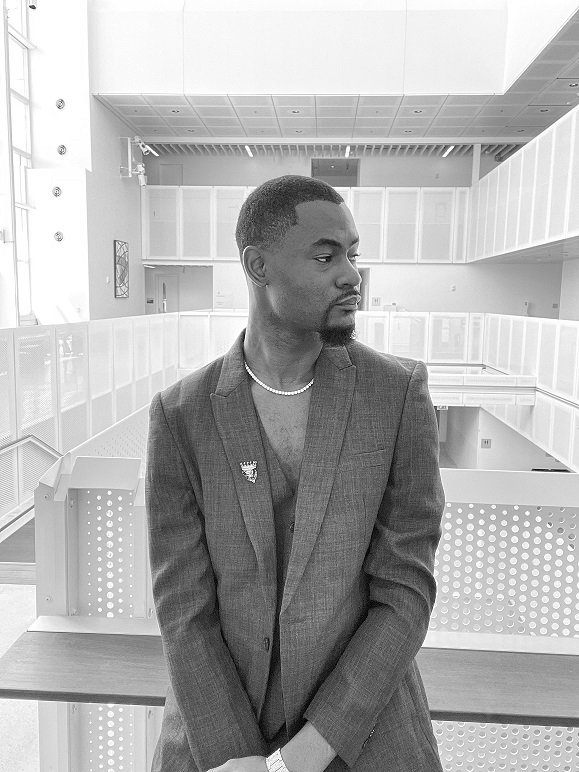
Founder and Editor, Open Country Mag. ♦
If you love what you just read, please consider making a PayPal donation to enable us to publish more like it. Follow us everywhere at @OpenCountryMag: Twitter, Instagram, Facebook, and LinkedIn!
“An ambitious new magazine”
— Chimamanda Ngozi Adichie
Subscribe for essential, in-depth stories in African literature, Nigerian film, & culture. From inspiring Profiles and thought-provoking features to incisive reviews and essays, gain premium access to the visions of changemakers, from icons to emerging voices, and critical conversations that happen nowhere else. Plus key industry stories from Folio Nigeria by CNN.
We respect your privacy and will never send you Spam or sell your email.
Open Country Mag at 3: Cover Stories
— How Leila Aboulela Reclaimed the Heroines of Sudan
— How Rita Dominic Became Nollywood’s Most Acclaimed Actor
— Chinelo Okparanta, Gentle Defier
— The Next Generation of African Literature
— The Methods of Damon Galgut
— Chimamanda Ngozi Adichie Is in a Different Place Now
— How Teju Cole Opened a New Path in African Literature
— Maaza Mengiste‘s Chronicles of Ethiopia
— How Tsitsi Dangarembga, with Her Trilogy of Zimbabwe, Overcame
Lists and Series
— The Rovingheights x Open Country Mag Bestseller List: 2025, 2024, 2023, 2022
— The Notable Books of the Year: 2025, 2024, 2023, 2022, 2021
— Our Top Stories of the Year: 2024, 2023
— The OCM Curatorial Fellowships
Open Country Mag at 3: The Next Generation Series
— The Overlapping Realisms of Eloghosa Osunde
— DK Nnuro Finds His Answers
— How Romeo Oriogun Wrested Poetry from Pain
— Suyi Davies Okungbowa Knows What It Takes
— Why Tobi Eyinade Built Rovingheights, Nigeria’s Biggest Bookstore
— Remy Ngamije on Doek! and the New Age of Namibian Literature
— Ebenezer Agu on 20.35 Africa and Curating New Poetry
— In Writing Cameroonian American Experiences, Nana Nkweti Crosses Genres
— Oghenechovwe Donald Ekpeki‘s Curation of African Speculative Fiction
— Logan February on Their Becoming
— The Cheeky Natives Is Letlhogonolo Mogkoroane and Alma-Nalisha Cele‘s Archive of Intentionality
— Cheswayo Mphanza on Intertextual Poetry and Zambia’s Moment
— The Seminal Breakout of Gbenga Adesina
— Keletso Mopai Owns Her Story and Her Voice
— Troy Onyango on Lolwe and Literary Magazine Publishing in Africa
— At Africa in Dialogue, Gaamangwe Joy Mogami Lures Out Storytelling Truths
— Khadija Abdalla Bajaber on Fantasy and the Character of Kenyan Writing
— TJ Benson Holds History and Hope